My sister, a primary school teacher,suggested that I make my blog accessible to a younger audience. Unable to resist this challenge, I thought I would draw some economic lessons from Mary Poppins, Disney's supercalifragilisticexpialidocious children's movie.
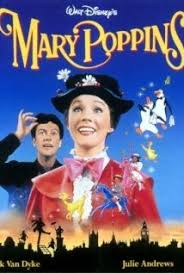 The father of the two children in the movie is a banker, and one day he brings his children to the bank to encourage them to deposit their tuppence in the Fidelity Fiduciary Bank rather than waste it on bird food. The chairman and directors of the bank sing a song (click here), which emphasizes the uses to which banks put deposits as well as the power of compound interest.
In the middle of the song, the chairman states that if the banks of England fall, England itself will fall. Like the chairman of the Fidelity Fiduciary Bank, I believe that the unprecedented banking collapse and ongoing financial crisis could signal the end of our democracy and the dominance of the West. I don't want to sound like a jeremiad blogger, but I can't see this ending well!
In the middle of the song, the chairman states that if the banks of England fall, England itself will fall. Like the chairman of the Fidelity Fiduciary Bank, I believe that the unprecedented banking collapse and ongoing financial crisis could signal the end of our democracy and the dominance of the West. I don't want to sound like a jeremiad blogger, but I can't see this ending well!
At the end of the song, the little boy refuses to give his money to the bank and creates such a scene that other customers think that the bank is running out of notes and coins to repay its depositors. This triggers a classic bank run. You can watch it here.