
Financial History I

Last week I was speaking in Antwerp at the 5th Eurhistock Workshop (programme here). My posts this week will briefly survey some papers which were presented at this conference. However, in this post I want to discuss the purpose and usefulness of financial history. Why should we be interested in financial history?  

Reason 1: Financial history provides long run data for tests of asset pricing theories (see Dimson, Marsh and Staunton's Investment Returns Yearbook).

Reason 2: Financial history provides out-of-sample tests and natural experiments of asset pricing (see Koudijs, 'The boats that did not sail').

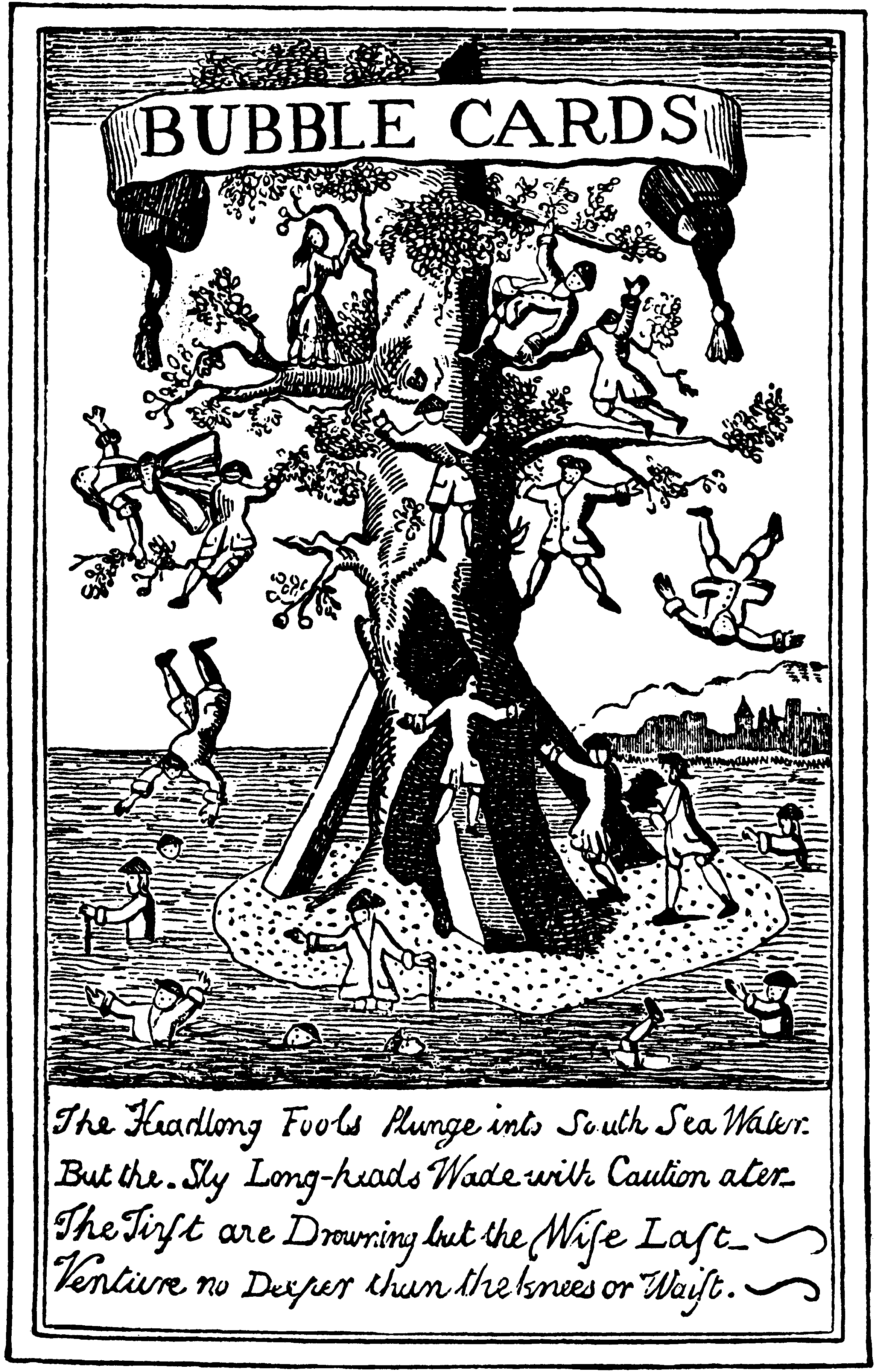
Reason 3: Financial history allows us to test economic theories of bubble formation (see Garber's 'Famous first bubbles').

Reason 4: Financial history enables us to test corporate finance theories in an era when tax and regulatory distortions did not exist (see my paper with Ye and Zhan on dividend policy in C19th)

Reason 5: Financial history gives us insights into the fundamental features of capital markets and the modern corporation.
Popular posts from this blog

The CEO: The Rise and Fall of Britain's Captains of Industry

Michael Aldous and I had our book The CEO: The Rise and Fall of Britain's Captains of Industry published a few weeks ago. You can find out more about it and buy it at Cambridge University Press's website . It is also available at Amazon , Waterstones , and Barnes & Noble .  The CEO has already been reviewed in The Sunday Times , The Observer and Financial Times .

The Railway Mania

My colleague and former PhD student Gareth Campbell has created a website about the British Railway Mania - click here . This episode has been described by the Economist as probably the greatest bubble in human history. Gareth's website provides background on the Mania and posits some explanations for the 'bubble'. In his explanation of why the bubble happened, Gareth places a lot of emphasis on investor myopia regarding future dividends and uncalled capital. His study of investors during the episode does not support the view that this episode was fuelled by naive and irrational investors. 

How Valuable Are Connections?

Daron Acemoglu, Simon Johnson, Amir Kermani, James Kwak and Todd Mitton have written a paper on whether firms connected to Timothy Geithner benefited from these connections. They do so by looking at how stocks of these firms reacted to the announcement that he was a nominee for Treasury Secretary in November 2008. They find that there were large abnormal returns for connected firms. Below is the paper's abstract and the full paper is available here . The announcement of Timothy Geithner as nominee for Treasury Secretary in November 2008 produced a cumulative abnormal return for financial firms with which he had a connection. This return was about 6% after the first full day of trading and about 12% after ten trading days. There were subsequently abnormal negative returns for connected firms when news broke that Geithner's confirmation might be derailed by tax issues. Excess returns for connected firms may reflect the perceived impact of relying on the advice of a small ne...